Paid Family & Medical Leave
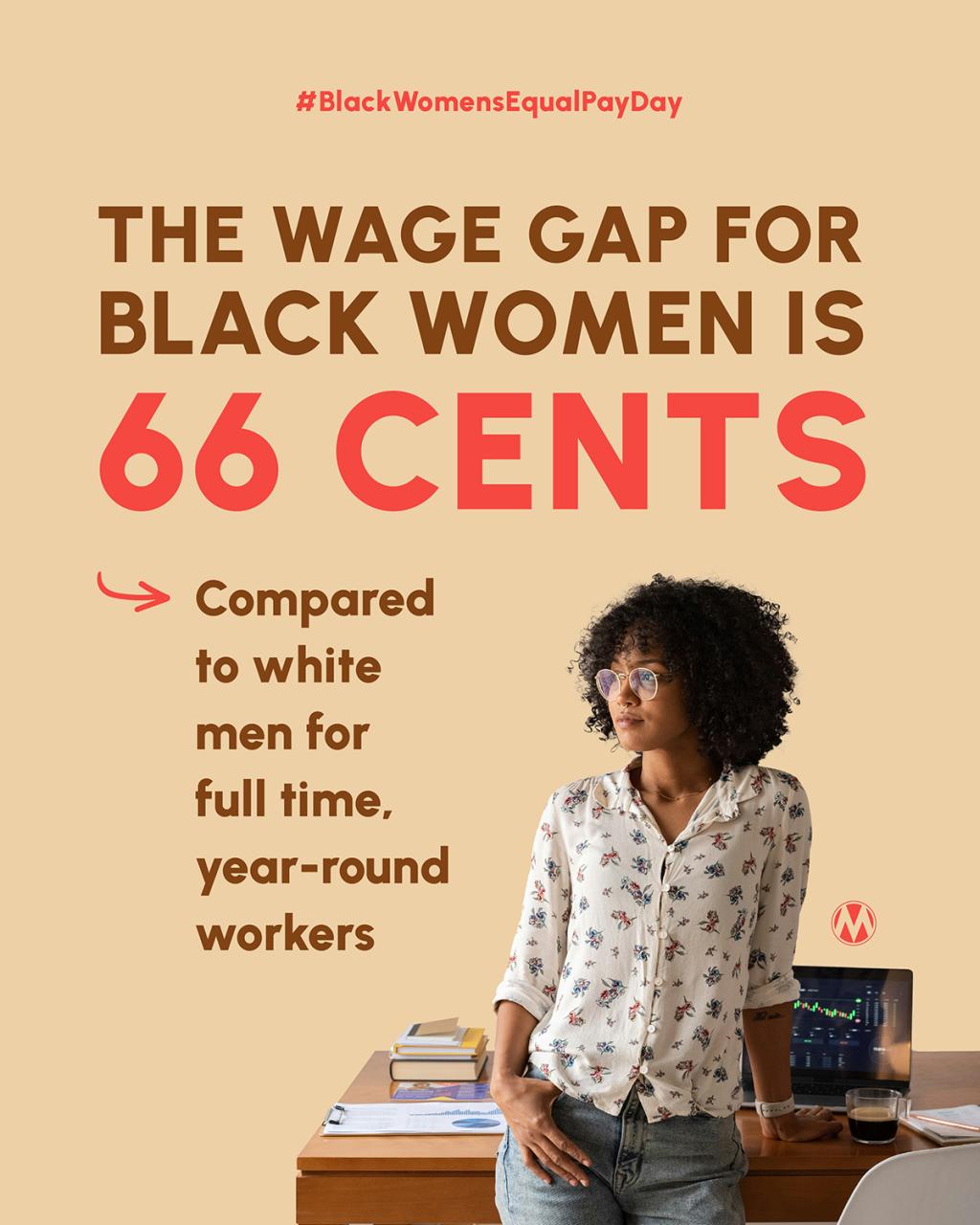
Paid family and medical leave combats poverty, gives children a healthy start, and lowers the wage gap between women and men by providing structural support to balance work and family.
Know the Facts
- Right now only 17% (!) of Americans have access to paid family leave through their employer and fewer than 40% have personal medical leave provided through an employer.
- Although the current Family Medical Leave Act (FMLA) allows some employees to take up to 12 weeks of job-protected leave, it only covers about 60 percent of employees.
- A quarter of all poverty spells in the United States are because of having a baby.
- The U.S is one of the only countries in the world that doesn't offer paid leave to new mothers.
- Paid family leave has been shown to reduce infant mortality by as much as 20% (and the U.S. ranks a low 37th of all countries in infant mortality).
- Paid leave improves worker retention, which saves employers money through reduced turnover cost.
What You Can Do
Blog posts






Take Action

All families deserve good paid leave policies that allow them the time to care for themselves or their loved ones when a serious health or caregiving need arises.
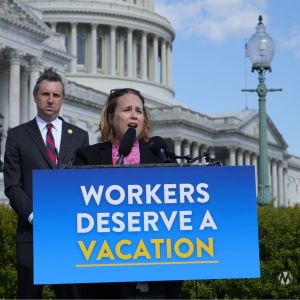
Moms and families deserve to have access to paid days off from work. Moms need and deserve time off to care for a sick parent, attend a recital or simply take a break.

The Family Leave Optimal Coverage (FLOC) Act is an opportunity for all Michiganders to be there for their loved ones. To take the time to care for themselves, an ill, injured, or disabled loved ones, welcome a new child or take time for bereavement, without losing critical income at the time they need it most.

We deserve more than a smoke and mirrors solution. Sign MomsRising’s urgent letter to tell your national leaders to commit to passing paid family and medical leave for every worker.