
Addressing the Affordability Crisis: SNAP, Maternal Health, and the Fight for Families
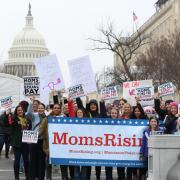
The Quick Take: This week on Breaking Through, we dive into the 2026 affordability crisis — discussing the $187 billion threat to SNAP funding, the economic ROI of the Child Tax Credit, and why 85% of maternal deaths in the U.S. are preventable. Featuring insights from U.S. Reps. Susan DelBene and Kim Schrier, alongside leading advocacy experts.
Watch & Listen
Love the show? Subscribe to Breaking Through on YouTube for weekly updates.
Or listen on your preferred streaming platform:
Apple Podcasts | Spotify | TuneIn
Episode Chapters:
- [01:08] — Priority Check: Ballrooms vs. Emergency Rooms
- [14:55] — The SNAP Crisis: Can You Eat on $6 a Day?
- [30:26] — Maternal Health: The Cost of Inaction
- [43:03] — Trusting Science: A Pediatrician in Congress
1. Priority Check: Ballrooms vs. Emergency Rooms
U.S. Rep. Susan DelBene, D-Wash., joins us to discuss the current disconnect in federal spending. While families struggle with rising costs, current proposals include $1 billion for a vanity ballroom project while allowing life-saving healthcare credits to expire. Rep. DelBene is the primary architect of the expanded Child Tax Credit, a policy that previously cut childhood poverty in the U.S. nearly in half.
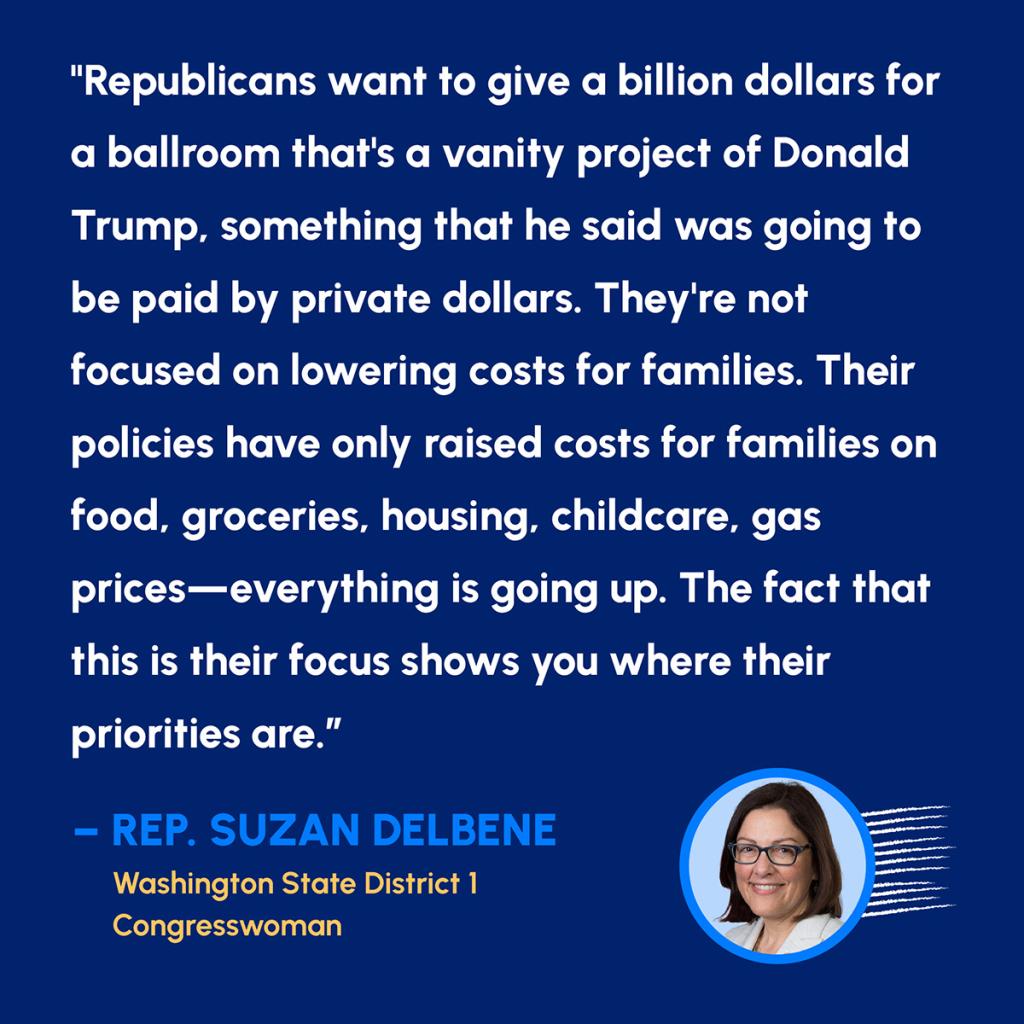
U.S. Rep. Susan DelBene discusses budget priorities on "Breaking Through."
Expert Profile: Read U.S. Rep. Susan DelBene's official bio here.
2. The SNAP Crisis: Can You Eat on $6 a Day?
Chad Bolt is the senior vice president for economic security at First Focus on Children and a leading expert on federal nutrition policy. Bolt explains the imminent threat to the Supplemental Nutrition Assistance Program (SNAP). Legislative shifts are moving the financial burden of SNAP to individual states — a move that all 50 governors are begging Congress to delay.
- The ROI of SNAP: For every $1 invested, the local economy sees a $1.73 return.
- The Human Cost: Cuts to SNAP also endanger "automatic eligibility" for free school meals, putting more children at risk of hunger.
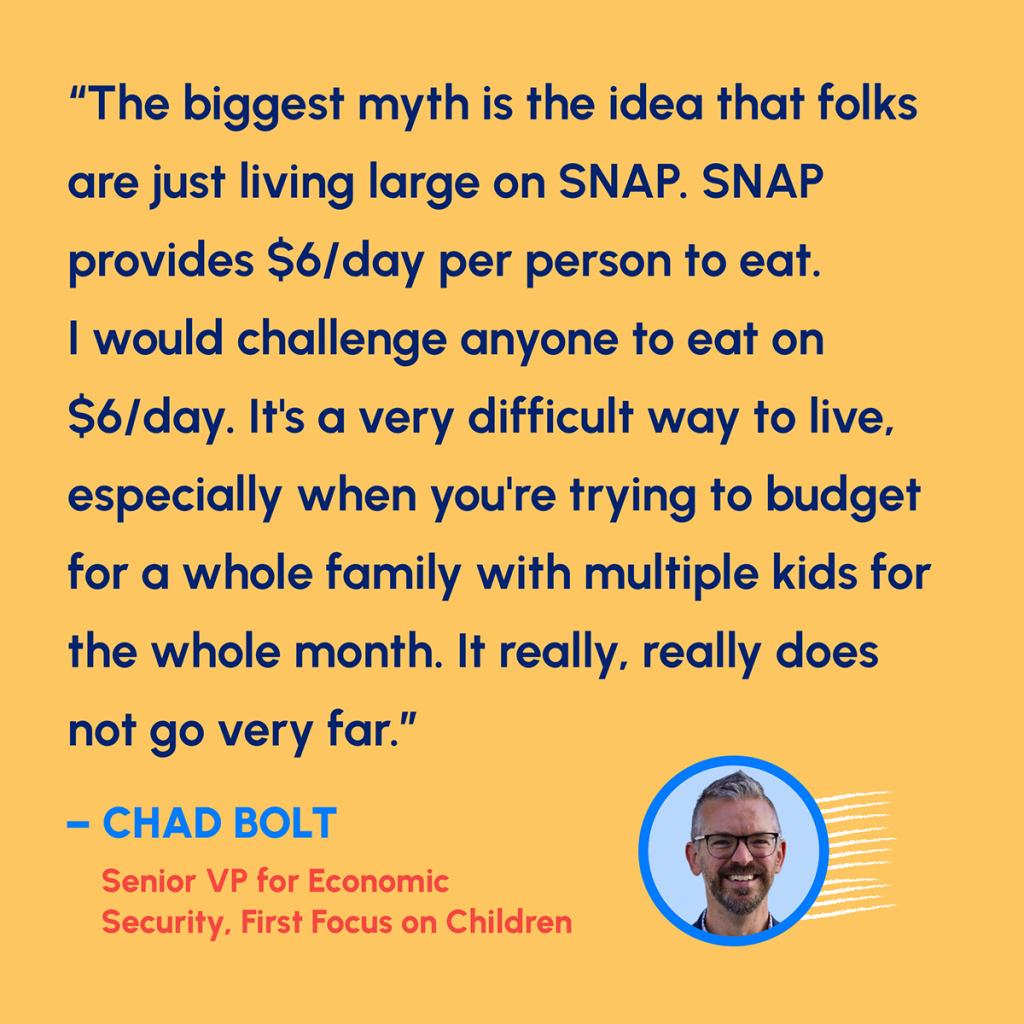
Chad Bolt explains the economic impact of SNAP funding on "Breaking Through."
Expert Profile: Learn more about Chad Bolt’s work at First Focus on Children.
3. Maternal Health: The Cost of Inaction
Tina Sherman is the national director for maternal justice at MomsRising and a veteran advocate for maternal health policy reform.
Sherman shares a sobering reality: 85% of maternal deaths in the U.S. are preventable. She discusses the Black Maternal Health Momnibus and the need for a "guilt-free" advocacy space for busy parents to engage with their elected officials.
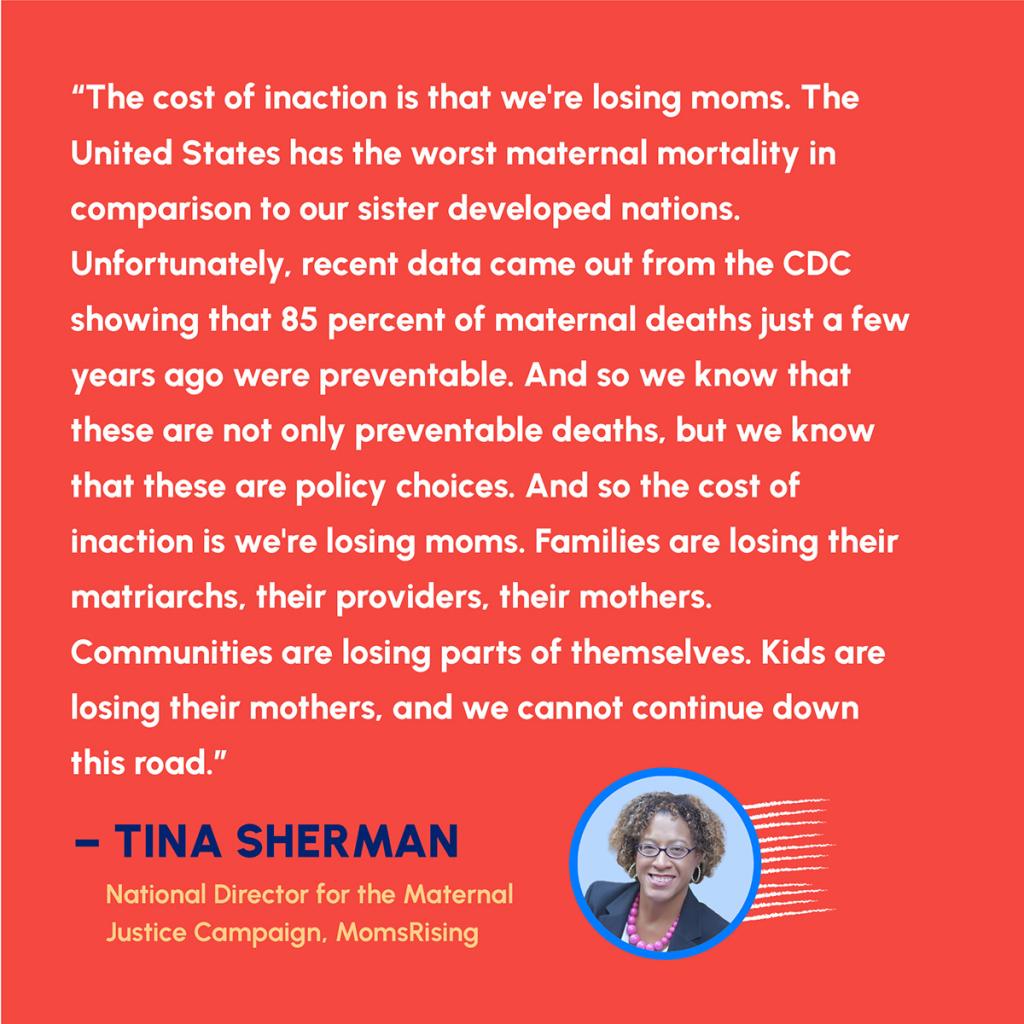
Tina Sherman discusses maternal justice and preventable mortality on "Breaking Through."
Expert Profile: Read Tina Sherman’s bio here.
4. Trusting Science: A Pediatrician in Congress
U.S. Rep. Kim Schrier, D-Wash., is the first pediatrician ever elected to Congress and a leading voice on community health and medical integrity.
Rep. Schrier addresses the surge in medical misinformation — including debunking "RFK Jr. information" regarding vaccines — and the specific threat to rural healthcare as Medicaid faces massive funding cuts.
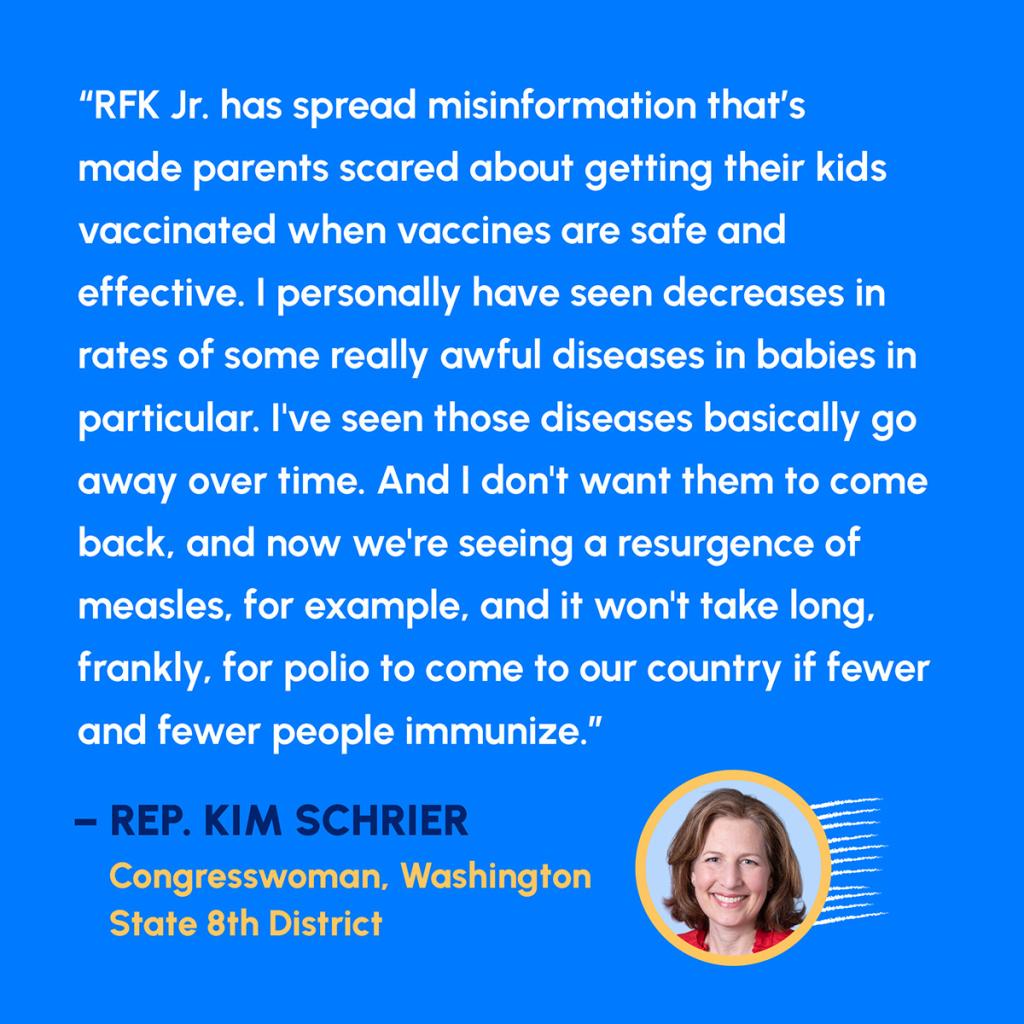
U.S. Rep. Kim Schrier highlights the importance of constituent voices on "Breaking Through."
Expert Profile: Read U.S. Rep. Kim Schrier's official bio here.
Common Questions About the Affordability Crisis (FAQ)
Q: Why is SNAP funding being cut in 2026?
A: Recent legislative shifts are moving the financial burden of SNAP from the federal government to individual states. As Chad Bolt explains, most states are not in a fiscal position to absorb these costs, leading to potential eligibility cuts.
Q: What is the ROI of the Child Tax Credit?
A: Research shows that for every $1 invested in children and families through programs like the Child Tax Credit or child care, the return can be between $7 and $20 due to improved health, educational, and economic outcomes.
Q: How do Medicaid cuts affect rural hospitals?
A: Because rural hospitals serve higher percentages of Medicaid and Medicare patients, slashing these programs pushes these facilities toward bankruptcy — leaving rural residents hours away from the nearest emergency room.
Related Posts


The views and opinions expressed in this post are those of the author(s) and do not necessarily reflect those of MomsRising.org.
MomsRising.org strongly encourages our readers to post comments in response to blog posts. We value diversity of opinions and perspectives. Our goals for this space are to be educational, thought-provoking, and respectful. So we actively moderate comments and we reserve the right to edit or remove comments that undermine these goals. Thanks!