Tell Congress to Invest in Native Communities — Close the Wage Gap for Native Women

The Big Picture
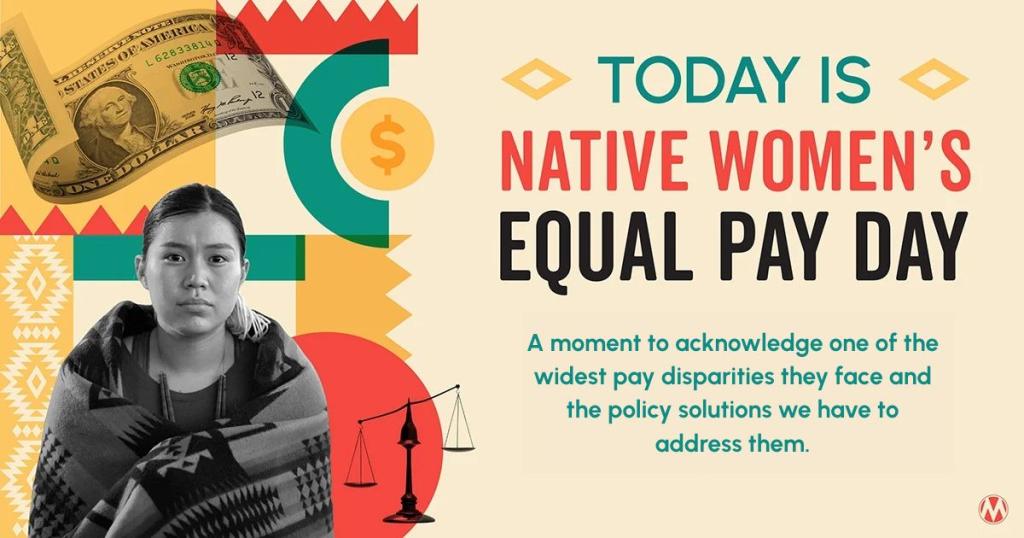
On Native Women’s Equal Pay Day, MomsRising is highlighting the severe wage disparities facing Indigenous women and moms — and calling on Congress to invest in Tribal nations and pass policies that close the pay gap.
- Severe Wage Disparities: Across all earners, Native women earn an average of just 57 cents for every $1 paid to white, non-Hispanic men — and Native moms, about 64 percent of whom are family breadwinners, earn just 41 cents on the dollar, losing more than $1 million over their careers.
- Systemic Drivers & Data Threats: Driven by colonialism, genocide, state-sanctioned violence, occupational segregation, and barriers to employment, education, and financial services, the wage gap is further obscured by insufficient disaggregated data and federal assaults on demographic data collection at the EEOC and Census Bureau.
- Take Action Now: Sign on to tell Congress to invest in Tribal nations — including emergency direct service funding for Native survivors and Native women-led organizations — protect demographic data, and pass policies that close the wage gap for Native women.
Why Native Women’s Equal Pay Day Matters
Today is Native Women’s Equal Pay Day — a stark reminder that while we honor Indigenous history, culture, and leadership during National Native American Heritage Month, Native women still experience one of the widest pay gaps in the country.
Take Action for Native Women’s Equal Pay
Sign on now to demand Congress invest in Tribal nations, protect demographic data, and pass policies to close the wage gap.
Take ActionThese aren't just statistics — they represent concrete losses that undermine Native women’s ability to cover basic necessities, build generational wealth, and maintain their safety and sovereignty. Driven by the lasting impacts of colonialism, genocide, and state-sanctioned violence, these disparities are compounded today by high rates of occupational segregation and steep barriers to employment, educational opportunities, and financial services.
The Facts Behind the Native Women’s Wage Gap
Here are the facts:
- 57 cents on the dollar: Across all earners (full-time, part-time, and part-year), Native women earn an average of just 57 cents for every $1 paid to white, non-Hispanic men. [1]
- About 64 percent of Native moms are their family breadwinners and they earn just 41 cents paid to the dollar of a white man. [2]
- Over $1 million stolen: A Native woman loses more than $1 million to the wage gap over her career — robbing families of resources needed to make ends meet and build long-term financial security. [3]
- Erased from the numbers: Insufficient, disaggregated data already renders many Native women invisible in wage gap figures — and the federal administration’s assaults on demographic data collection at the EEOC, Census Bureau, and other agencies will only deepen this problem.
Demand Investments in Native Communities and Economic Justice
We demand that Congress restore and bolster investments in Tribal nations — including emergency direct service funding for Native survivors and dedicated investments in Native women-led organizations. [4] It is up to all of us to ensure Native women’s work is recognized, their communities are funded, and their pay is fair.
P.S.– Have you or someone you love faced workplace discrimination, barriers to advancement, or unfair pay? Sharing personal stories with lawmakers is one of our most powerful tools in the fight to close discriminatory wage gaps!
Share Your Story About Equal Pay
Faced workplace discrimination or unfair pay? Share your experience with lawmakers to help close discriminatory wage gaps.
Take ActionReferences
Related Posts
The views and opinions expressed in this post are those of the author(s) and do not necessarily reflect those of MomsRising.org.
MomsRising.org strongly encourages our readers to post comments in response to blog posts. We value diversity of opinions and perspectives. Our goals for this space are to be educational, thought-provoking, and respectful. So we actively moderate comments and we reserve the right to edit or remove comments that undermine these goals. Thanks!