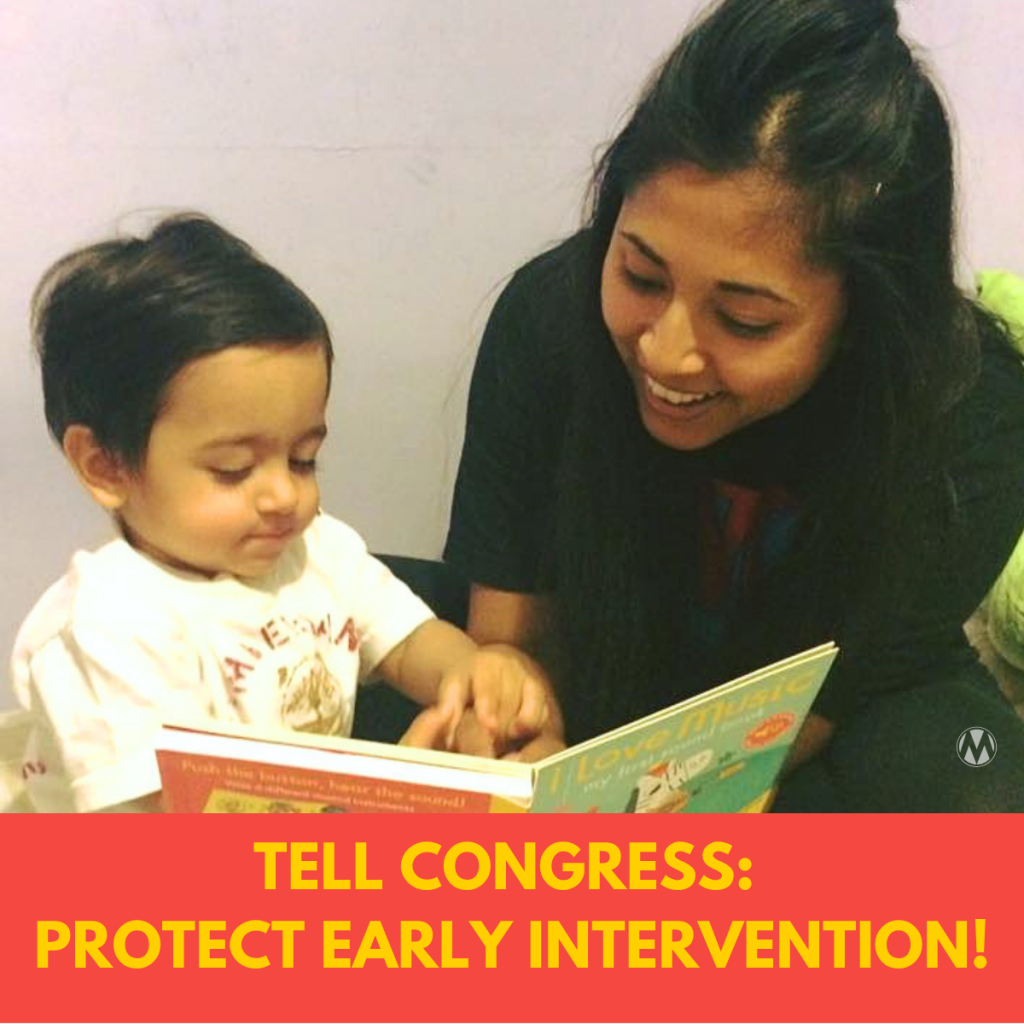

Action Alert: Tell Congress Early Intervention Needs to be Fully Funded and Protected!
Summary: The Trump administration is moving to reduce and eliminate critical Early Intervention services as part of their ongoing efforts to undermine the needs of our nation's families in favor of billionaires, corporations and a wasteful ballroom.
The Risk: Trump’s FY27 budget would effectively eliminate dedicated funding for personnel training and development of the therapists and staff who deliver these critical services directly to the babies and toddlers who need them. This consolidation of funds could also result in less funding available to infants and toddlers overall as part of the IDEA program, dismantling public education and disability services for babies, toddlers, and children throughout the country.
The Context: According to the latest available data in 2024, approximately 458,920 infants and toddlers aged 0-2 received Early Intervention.
The Goal: Urge Congress to protect and fully fund Early Intervention!
Early disability support services like Early Intervention have been a lifeline for millions of babies, toddlers and families (mine included!) over the past several decades. Yet now, the Trump administration is moving to reduce and eliminate these critical services as part of their ongoing efforts to undermine the needs of our nation's families in favor of billionaires, corporations and a wasteful ballroom. From assaults to Medicaid, dangerous false rhetoric around autism, and the proposal of registries for tracking children with developmental differences, the Trump administration has shown an alarming pattern of attacking our nation’s most vulnerable – children, toddlers and babies with disabilities.
Moms, parents and caregivers like me won’t just sit idly by as the Trump administration repeatedly puts our families and children last, while taking away the crucial services they need. The importance of Early Intervention and services that support babies and children with disabilities cannot be overstated. It connects infants, toddlers, and their families with appropriate developmental supports before school entry, and creates a strong foundation for their future in educational environments and beyond. The most rigorous evidence suggests that Early Intervention services can improve children’s outcomes in areas including cognitive development, language/communication skills, behavior, and motor skills. Other evidence suggests positive outcomes for parental health and well-being, such as maternal self-confidence and role satisfaction.
My Family’s Early Intervention Experience
Early Intervention was an invaluable resource for me and my children. When my eldest was very young, I could tell that he had some differences from his peers, but as a new mom with little experience taking care of babies and toddlers I felt overwhelmed and unsure not only about if he needed extra support, but what that support would even look like and where to even start. When my son turned two, his pediatrician suggested Early Intervention when it became clear that he had delays in different areas of his development. I knew that I would take whatever steps my son needed for him to thrive, but I also felt uncertainty and fear as to what the future held for him.
Early Intervention services ended up not only helping my son reach the critical developmental goals he needed to be school-ready and to successfully communicate, they also empowered me as the mother of a neurodiverse child. Their therapists provided weekly speech and developmental intervention services for my son for a year and half, and during these sessions, they also taught me strategies to implement in our daily lives that helped BOTH of us. My son is now in middle school and absolutely thriving. My second child, Emiliano, also received Early Intervention services, and like his big brother, he is excelling socially, emotionally, and mentally. As for me, I can honestly say that I am a better, more confident mom to this day because of Early Intervention.
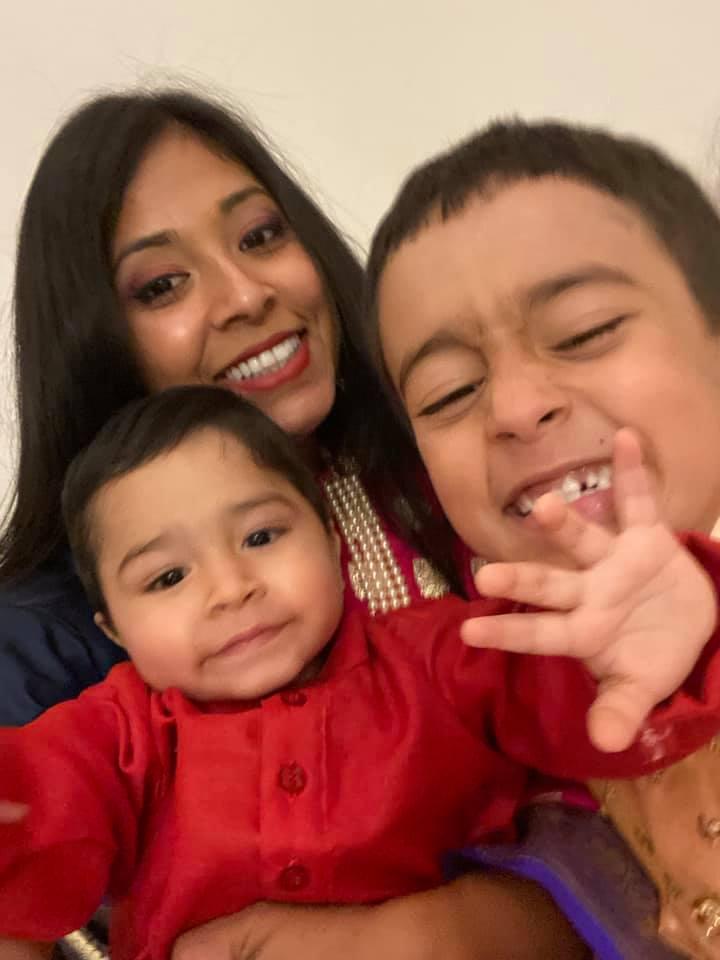
The author with her two sons, Emiliano and Zakir
Why Early Intervention Funding is Critical
Millions of families and children like mine have benefitted from these invaluable services over the past few decades, and according to the latest available data in 2024, approximately 458,920 infants and toddlers aged 0-2 received Early Intervention. However, after years of changing so many lives for the better, this program is now at risk due to President Trump’s FY27 budget, which proposes to consolidate part B 619 funds of the IDEA into a single formula grant to states. This would effectively eliminate dedicated funding for personnel training and development of the therapists and staff who deliver these critical services directly to the babies and toddlers who need them. This consolidation of funds could also result in less funding available to infants and toddlers overall as part of the IDEA program, dismantling public education and disability services for babies, toddlers, and children throughout the country.
The bottom line is the proposed budget for the U.S. Department of Education aims to continue its path toward elimination, a move that would create an uncertain future for the implementation of disability services for children. Though this proposal doesn’t immediately close programs, it does put the decision regarding the future of disability services in Congress’s hands. A future that looks increasingly uncertain in the shadow of an administration that is actively working to take away critical support and services so many of our nation’s families need.
Programs and supports like Early Intervention provide a future where ALL children have a chance to grow and thrive. Any cuts or moves to eliminate programs like this are simply unconscionable and cruel. This is why we need to raise our voices together, stay informed about what is happening to the programs our families, communities and children rely on and make sure our members of Congress and this administration hear from us.
Right now, you can click here take action urging Congress to protect and fully fund Early Intervention. Collective actions like this are a reminder that we are NOT alone, that across the nation parents, families and caregivers want the best for their children and communities, and not what is only best for the 1% who already have EVERYTHING.The most vulnerable among us, babies, toddlers and children with disabilities, are depending on us who can speak up and act to do so. I know that I will never stop fighting for them, and I hope you won’t either.
Frequently Asked Questions
What is Early Intervention?
Early Intervention are early disability support services that connect infants, toddlers, and their families with appropriate developmental supports before school entry, and creates a strong foundation for their future in educational environments and beyond.
What are the risks Early Intervention is facing?
Trump’s FY27 budget would effectively eliminate dedicated funding for personnel training and development of the therapists and staff who deliver these critical services directly to the babies and toddlers who need them. This consolidation of funds could also result in less funding available to infants and toddlers overall as part of the IDEA program, dismantling public education and disability services for babies, toddlers, and children throughout the country.
What can I do to protect Early Intervention?
Sign MomsRising’s petition to tell Congress to Say NO to a Trump budget that eliminates critical services for children and toddlers with disabilities!
Early Intervention is early disability support services that connect infants, toddlers, and their families with appropriate developmental supports before school entry, and this crucial program that has helped families like Nadia’s is facing funding attacks from Trump’s FY27 budget!

The views and opinions expressed in this post are those of the author(s) and do not necessarily reflect those of MomsRising.org.
MomsRising.org strongly encourages our readers to post comments in response to blog posts. We value diversity of opinions and perspectives. Our goals for this space are to be educational, thought-provoking, and respectful. So we actively moderate comments and we reserve the right to edit or remove comments that undermine these goals. Thanks!