Home visiting programs reduce child abuse in difficult times
Posted April 28th, 2009 by Ruth SchubertRuth Schubert, Children’s Alliance
The stress of a newborn baby can be difficult for any family. Poverty, youth, depression or isolation can make that stress overwhelming.
Home visiting programs, like the Nurse-Family Partnership funded in President Barack Obama’s proposed budget, were designed to help families like these—the ones who are teetering on the edge. And in these tough economic times more and more families are coming close to the breaking point.
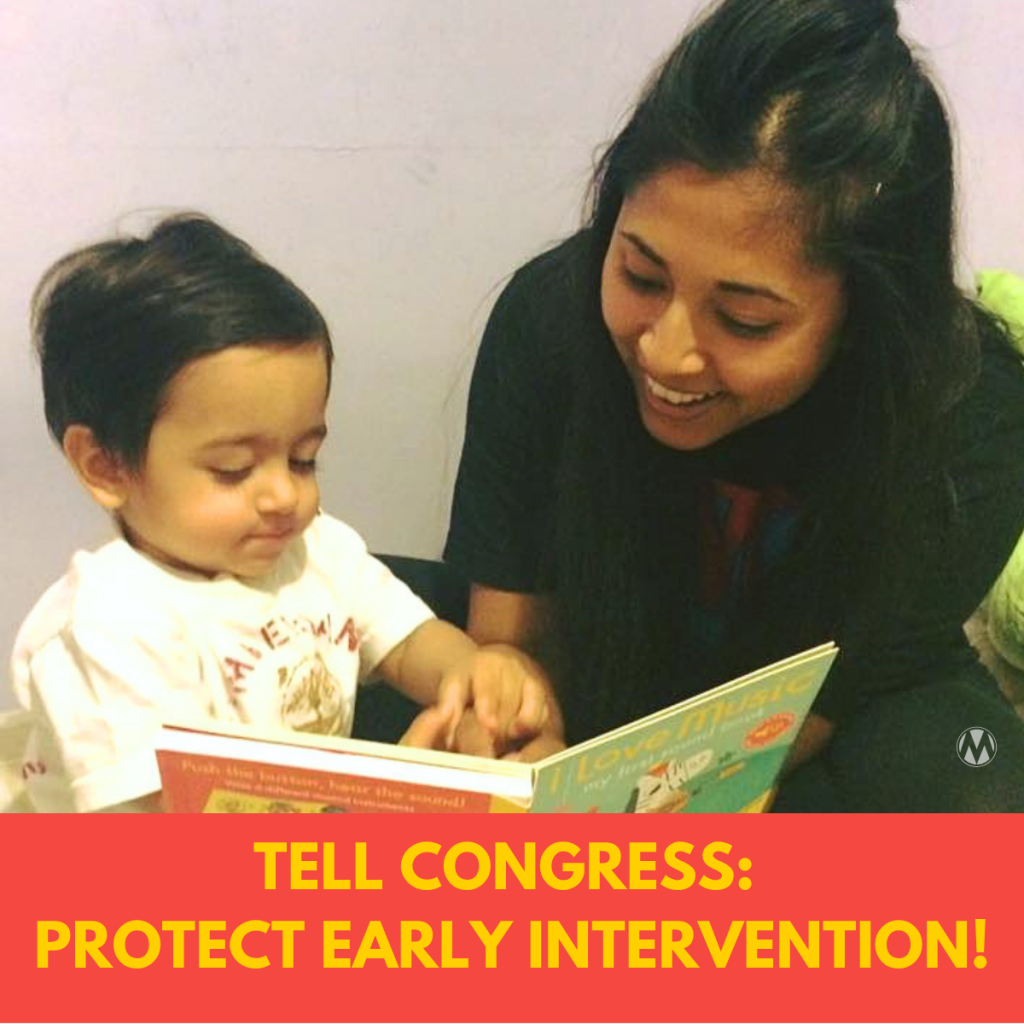
These voluntary, intensive programs promote children’s health and give parents in-home support to help their children develop the social, emotional, and intellectual skills they need to succeed in school and life. Home visitors meet with new parents regularly, offering them help that ranges from suggesting new ways to support the child’s development, to helping a parent sign up for Food Stamps.
Why is home visiting so important now? The sad reality is that when economic pressures bear down on struggling families child abuse rates go up. In a recent press conference Klickitat County Sheriff Rick McComas described two babies left in the road, a toddler who went next door to ask for food and another toddler with 37 bruises—all sad cases from the past few months.
Fight Crime, Invest In Kids last month raised concerns that the economic crisis was likely to push child abuse and neglect rates higher. http://www.fightcrime.org/releases.php?id=432
But we’ve also heard stories of families who survived and thrived thanks to home visiting programs. We recently talked to a teenage mom who made it through school and is now in college and a young couple that overcame their isolation to build solid careers and lives in their communities.
Home visiting programs have been getting a lot of attention lately. Following Obama’s lead, both chambers of the U.S. Congress have indicated their intent to fund home visiting programs, although they would have to find cuts elsewhere in the budget to do so.
Here in Washington state the Early Learning Action Alliance worked to try and retain $3.5 million in the state budget to support home visiting programs. The funds are administered from Council for Children and Families, which is focused on prevention of child abuse and neglect. In the final state budget, though, cuts to the Council will mean about a 30 percent reduction in home visiting services.
As this serious downturn adds to the stress so many families face, let’s make sure we offer support to the young families who are struggling the most.
To learn more:
Family stories: http://www.childrensalliance.org/news-events/blog-home-visits-help-tanner-move-ahead
http://www.childrensalliance.org/news-events/blog-home-visiting-offers-help-when-parents-need-it-most


5 Comments
I am a homevisitor who visits parents on a voluntary basis from their pregnancy through their child’s third year. Through my work, I bring all of the newest “cutting edge” information regarding child development, and information as well on all the aspects of parenting.I listen, support, and refer the parents I work with to resources within our community in which they may benefit from.
I have been in this field of work for eleven years, and I can honestly say- I see it work. The support given through the weekly homevisits provides families with the tools needed to confidently raise their children in a world full of stress. Having someone to express your feelings to, ask questions of, and look to for outside resources is comforting. Having the visit take place in your own home,allows for one to feel in control and not as vulnerable as being in an office can make one feel.
Because this is a voluntary program, the parents “own it” and can get from it all that they need or want to be informed of what it takes to provide their child(ren) with a strong and secure foundation.
[Reply]
May 10, 2009 at 11:06 pm by amyWhy would anybody want a government sponsored visitor in their home after their child is born? Would this visit be compulsory or would it be an option? I think giving up your privacy to a “health visitor” just because you’ve had a baby is ridiculous. If a person needs help, they can ask. What if the visitor shows up and thinks you need some help, and you don’t think you do? As the government sponsored “health visitor” are they given jurisdiction over your rights as a parent? This is an invasion. Don’t give up your privacy for the benefit of a very few people…there are resources widely available in every community for these services. It’s a phonecall away.
[Reply]
May 8, 2009 at 3:22 am by SarahI am American and had my first child in Scotland and now live in the Netherlands and in both countries me and my child have been seen by health visitors. It’s such a relief to have someone come by the flat especially the first couple of weeks after the birth. My health visitor was able to connect me to other women with newborns, help me with baby massage, take the weight of my child and help me with breastfeeding.
With infant mortality rising in the US, I applaud Obama’s efforts to bolster support and use of health visitors, however I think the health visitors should not be volunteers and that they should be trained laypeople in the community who have gone through a course that teaches them about health visiting and gives them basic skills to be able to serve new mothers and who could refer mothers on to other services/channels if they encounter a problem that they are unable to deal with. Nurses and doctors can be intimidating to new mothers and I believe that a member of the community (that understands the demographics and issues specific to their community) would serve new mothers better and help infuse many at-risk communities with individuals with a skill base. This model is much more sustainable and creates real change in communities.
[Reply]
May 7, 2009 at 1:28 am by KayFive years ago I delivered my first child at the age of 38. I had a textbook delivery in a top-notch hospital, I had a fantastic medical plan that covered prenatal care and delivery, I had a loving and involved partner. We are both highly educated and we are in a high income bracket. But aside from the obvious — don’t drop, abandon, or ignore the baby — we didn’t have a clue what we were doing. At eight weeks postpartum I was desperate, exhausted, and stressed to starvation (I was already dropping below my pre-pregnancy weight!) By the time I learned (from a friend, not a care provider) that my county offered home visits, I was no longer eligible, and my tearful begging convinced them only to send someone to my home once for an hour. Over the next two years I suffered depression and exhaustion to the point of immobility. As my daughter’s fifth birthday approaches I am still dealing with depression, frustration, disappointment, and feelings of inadequacy. We are now taking a parenting class — much to the confusion and chagrin of my in-laws (“what don’t you know?”) The way we treat our mothers and infants in this country, the way we approach parenthood, is disastrous and I do believe it has a negative effect on the nation as a whole. I can’t do much besides tell my story at this point, but America needs to understand that there is far more risk among new mothers than meets the eye, and we must do better.
[Reply]
May 6, 2009 at 3:37 pm by KirstinIn the UK, all families with a newborn receive a visit from a home visitor regardless of their perceived risk. I think this should be the ultimate goal of a home visiting program, to provide support and intervention to all who need it.
I have done some work with homeless & pregnant young mothers, and I am surprised at how easy it is for a woman who has given birth in a hospital to slip under the radar of social services. Some of the women I have met have been very good at this (from years of experience). A home visiting program would go a long way toward helping new moms who are couch-surfing or in unsafe situations to connect with resources that will help promote the safety of their child.
[Reply]
Leave a Comment